OBRC Review List Species Updates: March 2022 to December 2025

OBRC Review List Species Updates: March 2022 to December 2025

OHIO BIRD RECORDS COMMITTEE: ANNOTATED CHECKLIST OF THE BIRDS OF OHIO

OBRC Review List Species Update
March 1, 2022 through December 26, 2025

The 2022 edition of the OBRC Annotated Checklist had a cutoff date of February 28, 2022 for Acceptance of Review List records. Since that date, the OBRC has continued to evaluate such records, which are
updated here. Other significant decisions made by the Committee since that date are also listed below, as are changes in nomenclature as determined by the American Ornithological Society through the 2025
supplement.

As of December 26, 2025, the OBRC official state list stands at 454 species. Species added since publication of the Annotated Checklist are listed below in bold.

Black-bellied Whistling-Duck: First Ohio nesting record Accepted from Wayne Co., 2022.  The species should now be considered a “*2” species.

Cinnamon Teal: About 14 Ohio records, six Accepted by the OBRC since 1991.  Most recent:  16 March 2025.

King Eider: Numerous records, 13 Accepted since 1991.  Most recent:  9-18 November 2023.

Common Eider: At least four records, three Accepted since 1991.  Most recent:  18-20 December 2022.

Barrow’s Goldeneye: At least 10 records, five Accepted since 1991.  Most recent: 14-19 February 2025.

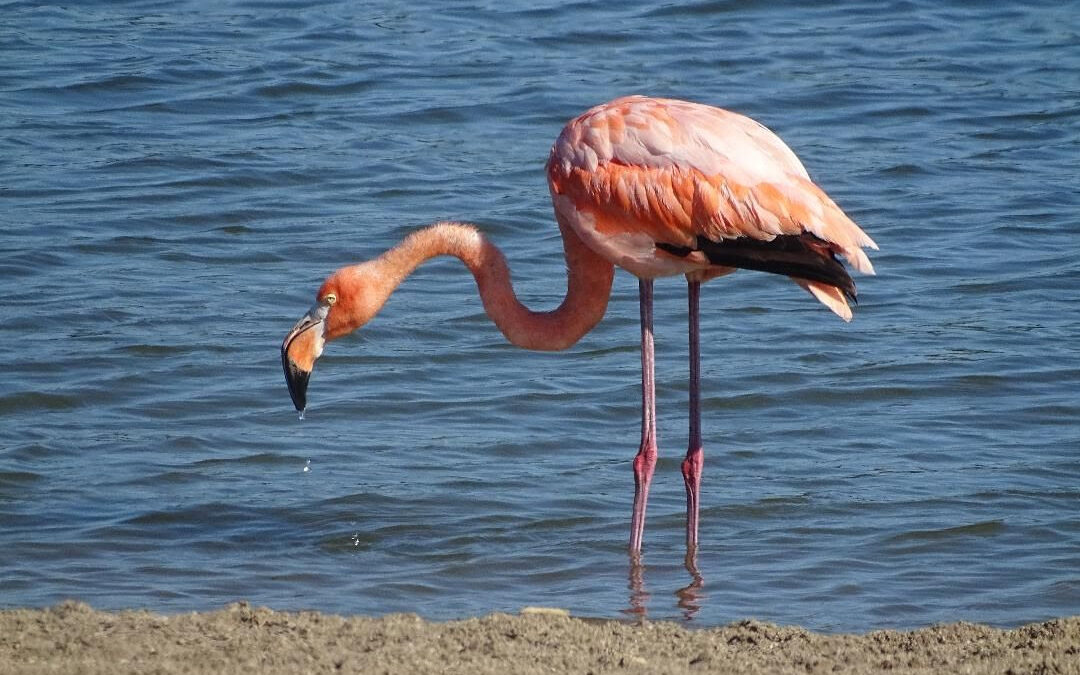
American Flamingo (Phoenicopterus ruber) 2: One record: 1 September 2023, Warren Co.  Accepted to the state list December 2023.  Two individuals brought north by Hurricane Idalia, part of a widespread movement.  Insert between Ring-necked Pheasant and Pied-billed Grebe.

Western Grebe: Numerous records, 15 Accepted since 1991.  Most recent: 29-31 May 2024.

Doves and pigeons: The AOS changed the checklist order of these species in August 2025.  Ohio species should now be ordered: Common Ground Dove, White-winged Dove, Mourning Dove, Passenger Pigeon, Eurasian Collared-Dove, Rock Pigeon.

Groove-billed Ani: Five records, one Accepted since 1991.  Most recent: 4 October 2024.

Black-chinned Hummingbird: Three records, all since 2020.  Most recent: 29 October-22 November 2025.

Anna’s Hummingbird: Three records, all since 2005.  Most recent:  23 October-17 November 2024.

Calliope Hummingbird: Four records, all since 2002.  Most recent: 24-25 October 2024.

Broad-billed Hummingbird (Cyanthus latirostris) 1: One record:  4-20 November 2022, Medina Co.  Accepted to the state list February 2023.  At a residential feeder, later found deceased.  Insert between Allen’s Hummingbird and Limpkin.

Limpkin, cranes, and rails: In 2025, the AOS changed the checklist order of the families in Gruiformes to this sequence.

Limpkin: 20 Accepted records, all since 2019.  Most recent: 24 August-1 September 2025.

Purple Gallinule: Numerous records, 19 Accepted since 1991.  Most recent:  11-12 September 2023.

Black Rail: Numerous records, five Accepted since 1991.  Most recent:  17 August 2022.

Plovers and Lapwings: The AOS changed the checklist order of these species in July 2024.  Ohio species should now be ordered Black-bellied Plover, American Golden-Plover, Killdeer, Semipalmated Plover, Piping Plover, Northern Lapwing, Wilson’s Plover, Snowy Plover.

Wilson’s Plover: New binomial name as of July 2024 is Anarhynchus wilsonia.

Snowy Plover: New binomial name as of July 2024 is Anarhynchus nivosus.

Ruff: Numerous records, 28 Accepted since 1991.  Now removed from the Review List.

Sharp-tailed Sandpiper: Five records, four Accepted since 1990.  Most recent:  27 November 2022.

Curlew Sandpiper: Ten records, six Accepted since 1991.  Most recent: 21-22 May 2023.

Marsh Sandpiper (Tringa stagnatilis) 2: One record, 28 September-1 October 2025, Lorain Impoundment, Lorain Co.  Accepted to the state list December 2025 based on photographic evidence.  Insert between Greater Yellowlegs and Wilson’s Phalarope.

Long-tailed Jaeger: Numerous records, 18 Accepted since 1991.  Now removed from the Review List.

Ancient Murrelet: Two records: 28 March 1951, Erie/Ottawa cos.; 21-23 December 2023, Lorain Co.

Terns and gulls: In 2025, the AOS changed the checklist order of subfamilies in Laridae to this sequence.

Least Tern: Numerous records, 23 Accepted since 1991.  Now removed from the Review List.

Roseate Tern (Sterna dougallii) 2: One record: 5-9 July 2024, Huron Harbor, Erie Co.  Accepted to the state list November 2024 based on photographic evidence.  Insert between Black Tern and Common Tern.

Arctic Tern: Four records, three Accepted since 1991.  Most recent: 14 June 2023.

Heermann’s Gull: Four records, likely involving two individuals.  Most recent:  23 June-15 July 2023.

Common Gull (Larus canus) 2: Two records: 30 December 2022-2 January 2023, Cuyahoga Co.; 11 March 2023, Lorain Co.  Accepted to the state list February 2023 based on photographic evidence.  Insert between Heermann’s Gull and Short-billed Gull. 

Short-billed Gull: At least 13 records, ten Accepted since 1991.  Most recent: 14 January 2025.

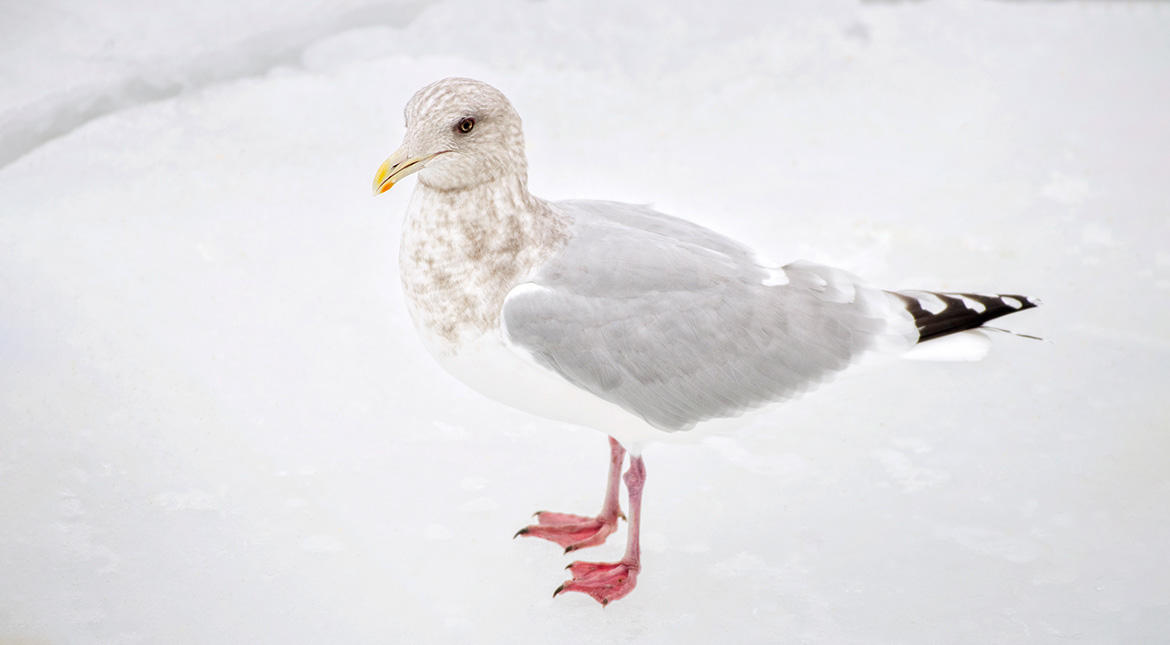
American Herring Gull: Split by the AOS in August 2025, resulting in new common name and new binomial Larus smithsonianus.

Slaty-backed Gull: Four records, all since 2019.  Most recent:  24 February-24 March 2023.

Glaucous-winged Gull (Larus glaucescens) 2: Three Accepted records, most recent:  5-9 March 2023.  Accepted to the state list February 2023 based on photographic evidence.  Insert between Slaty-backed Gull and Glaucous Gull.

Wood Stork: At least 19 records, 15 Accepted since 1991.  Most recent: ~17 August-8 September 2024.  Now removed from the Review List.

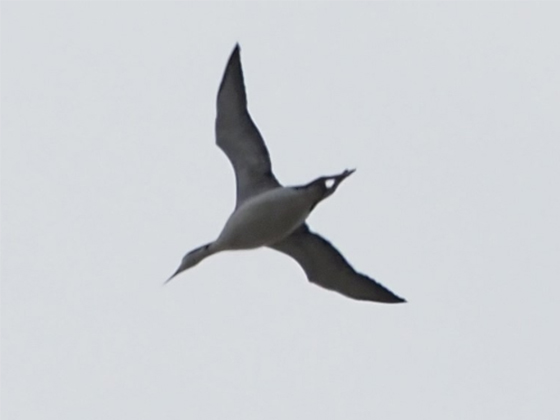
Northern Gannet: Numerous records, 19 Accepted since 1991.  Most recent: 7-8 December 2024.

Great Cormorant: Nine Accepted records, all since 2016.  Most recent: 19-23 March 2022.

Ibises and spoonbills, pelicans, and herons: In 2025, the AOS changed the checklist order of families in Pelicaniformes to this sequence.

American White Pelican: First Ohio nesting record Accepted from Erie Co., 2023.  This species should now be considered a “*1” species.

Bitterns, herons, and egrets: The AOS changed the checklist order of these species in July 2024.  Ohio species should now be ordered Least Bittern, American Bittern, Little Blue Heron, Tricolored Heron, Reddish Egret, Snowy Egret, Yellow-crowned Night Heron, Black-crowned Night Heron, Green Heron, Great Egret, Western Cattle-Egret, Great Blue Heron.

Least Bittern: New binomial name as of July 2024 is Botaurus exilis.

Tricolored Heron: Numerous records, 27 Accepted since 1991.  Most recent: 22 May-2 June 2025.

Yellow-crowned Night Heron: new common name as of July 2024.

Black-crowned Night Heron: new common name as of July 2024.

Western Cattle-Egret: new common name and binomial name Ardea ibis as of July 2024.

Great Blue Heron (“Great White Heron” form): Three Accepted records, most recent:  12-13 September 2022.

White Ibis: At least 20 records, 18 Accepted since 1991.  Most recent:  10-11 July 2024.

Swallow-tailed Kite: Numerous records, 17 Accepted since 1991.  Most recent:  21-31 August 2022.  Now removed from the Review List.

Cooper’s Hawk: New binomial name as of August 2025 is Astur cooperii.

American Goshawk: Numerous records, eight Accepted since attaining Review List status in 2013.  Most recent:  11 April 2022.  Split from Northern Goshawk by AOS (July 2023).  New binomial name for American Goshawk is Astur atricapillus.

Swainson’s Hawk: At least 11 records, 10 Accepted since 1991.  Most recent:  24 April 2023.

Ferruginous Hawk (Buteo regalis) 1: One record:  13 June 2023, Huron Co.  Accepted to the state list based on photographic evidence from 13 June 2023; other dates present in Ohio yet to be determined from GPS tracking data.  Later found deceased in West Virginia.  Insert between Rough-legged Hawk and Barn Owl.

American Barn Owl: new common name and new binomial name Tyto furcata as of July 2024.

Gyrfalcon: Numerous records, five Accepted since 1991.  Most recent:  2 January-20 February 2022.

Prairie Falcon: At least seven records, six Accepted since 1991. Most recent:  30 September 2021-          1 February 2022.

Ash-throated Flycatcher (Myiarchus cinerascens) 2—One record:  7 November 2022, Cuyahoga Co.  Accepted to the state list February 2023 based on photographic evidence.  Insert between Carolina Parakeet and Great-crested Flycatcher.

Western Kingbird: Numerous records, 18 Accepted since 1991.  Most recent:  4 September 2022.  Now removed from the Review List.

Scissor-tailed Flycatcher: Numerous records, 15 Accepted since 1991.  Most recent:  18 October 2023.

Western Flycatcher (Empidonax difficilis) 2: Three records, all since 2015.  Most recent: 29 November 2025.  Pacific-slope Flycatcher and Cordilleran Flycatcher lumped by the AOS in July 2023, thereby adding Western Flycatcher to the Ohio list.  Insert between Dusky Flycatcher and Eastern Phoebe.

Say’s Phoebe: 14 records, 13 Accepted since 1991.  Most recent:  8 April 2024.

Vermilion Flycatcher: Ten records, eight Accepted since 1991.  Most recent: late November 2023-11 January 2024.

Eastern Warbling-Vireo: New common name after AOS split of Warbling Vireo in 2025.

Loggerhead Shrike: Numerous records, 31 Accepted since attaining Review List status in 2002.  Most recent:  16 May 2024.

Black-billed Magpie: At least six records, three Accepted since 1991.  Most recent: 10 May 2025.

Boreal Chickadee: About 11 records.  Most recent:  11 March 2023.

Cave Swallow: 27 records, all since 2005.  Most recent: 9 November 2025.

Bohemian Waxwing: Numerous records, 12 Accepted since 1991.  Most recent:  10 November 2022.

Wrens: The AOS changed the checklist order of these species in 2022.  Ohio species should now be ordered Rock Wren, Bewick’s Wren, Carolina Wren, Northern House Wren, Winter Wren, Sedge Wren, Marsh Wren.

Northern House Wren: New common name as of July 2024.

Townsend’s Solitaire: 12 records, 10 Accepted since 1991.  Most recent:  21 April 2024.

Northern Wheatear: Six records, five Accepted since 1991.  Most recent: 11 January-23 February 2021.

Eurasian Tree Sparrow: Two records:  10 January 2016, Summit Co.; 25 May 2025 (Lucas Co.).

White Wagtail (Motacilla alba) 2: One record, 21 April 2024, Montgomery Co.  Accepted to the state list July 2024 based on photographic evidence.  Insert between Eurasian Tree Sparrow and American Pipit.

Redpoll: New common name as of July 2024, after being lumped with Hoary Redpoll in July 2024.

Hoary Redpoll: Numerous records, 20 Accepted since 1991.  Most recent:  25 January 2022.  Now removed from the Review List.  Hoary Redpoll species deleted by AOS as of July 2024.

Chestnut-collared Longspur: Two records:  5 May 2018, Lake Co.; 8-11 October 2021, Lake Co.

Spotted Towhee: 13 records, all since 1996.  Most recent: 6-22 January 2025.

Bullock’s Oriole: About six records, three Accepted since 1991.  Most recent:  16 April 2022.

Swainson’s Warbler: Numerous records, 22 Accepted since 1991.  Most recent: 25 April-6 July 2025.

Virginia’s Warbler (Leiothlypis virginiae) 2: One record, 13 May 2025, Cuyahoga Co.  Accepted to the state list in July 2025 based on photographic evidence.  Insert between Nashville Warbler and Connecticut Warbler.

Black-throated Gray Warbler: At least 13 records, 10 Accepted since 1991.  Most recent:  23 December 2023-12 January 2024.

Townsend’s Warbler: Six records, four Accepted since 1991.  Most recent:  11 May 2024.

Western Tanager: At least 17 records, 16 Accepted since 1991.  Most recent:  7 May 2022.  Now removed from the Review List.

Black-headed Grosbeak: At least nine records, six Accepted since 1991.  Most recent: 20 February 2025.

Lazuli Bunting (Passerina amoena) 2: One record, 4 January-27 February 2025, Meigs Co.  Accepted to the state list in March 2025 based on photographic evidence.  Insert between Blue Grosbeak and Indigo Bunting.
Consider the OOS Conservation Fund for end-of-year giving

Consider the OOS Conservation Fund for end-of-year giving

“We will put your money to good use!” – Bil Kerrigan, Chair, OOS Conservation Committee”

The Conservation Committee of the Ohio Ornithological Society is dedicated to helping people like you help birds. Here are just a few of the projects we have supported in the last few years with dollars from OOS memberships and other donations:

  • Kestrel and Tree Swallow next boxes on the Reclaimed Surface-mined lands around The Wilds
  • A high-tech Motus wildlife tracking station along Lake Erie
  • Support for a volunteer day to remove invasive plants from important bird habitat in a Preble County Park.
  • Supplies for an ongoing Herring Gull banding project on Lake Erie.
  • Purple Martin nesting gourds in Delaware County.
  • Construction of Chimney Swift Towers in Lorain, Cuyahoga, and Muskingum
    County
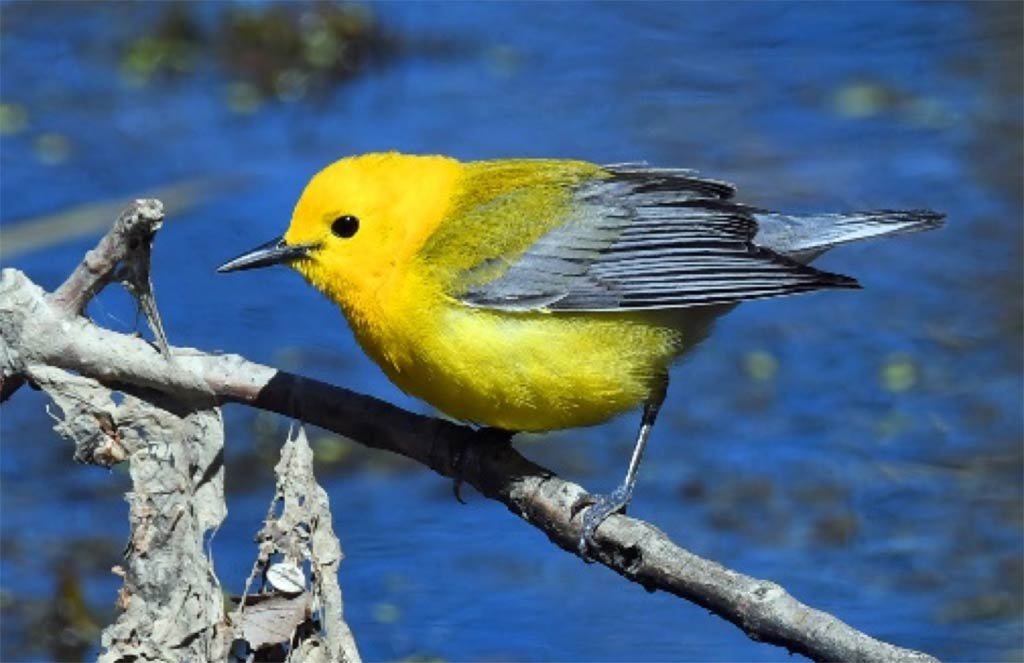
  • Prothonotary Warbler Research at the Black Swamp Bird Observatory

All OOS officers and committee members donate their time, and the groups we support depend upon volunteers to carry out their projects. Just last weekend I visited volunteer members of the Friends of Dillon State Park, who were busy constructing a Chimney Swift Tower they will install on
park grounds in the coming months. The OOS Conservation Committee covered the costs of the supplies; all other expenses will be covered by the volunteers and Park staff. Every penny you give goes directly to helping the birds of Ohio.

Please consider a donation to the OOS Conservation Fund, the Youth Education Fund, the General Education Fund, or the Doreene Linzell Fund

Where We Are Birding – January

Where We Are Birding – January

Each month, our OOS Regional Directors are sharing their favorite birding hotspots in their respective regions – and beyond. These include some well-know destinations, specialty spots for specific species, and their own secret, treasured local patches. Have a favorite birding location? Reach out to your OOS Regional Director and let them know!

Amy Downing – Northwest Regional Director

Hancock County Sanitary Landfill Wetland – Hancock County

During the Hancock County CBC, OOS member Ed Ingold reported a Northern Shrike, so I headed over for my county first and found the bird within minutes guarding his territory. The landfill wetlands is Prairie, ponds, and woods with small inclines, gravel parking and without restrooms. Besides this Shrike the area is known for having most of the Ohio Sparrows, Short-eared Owls have been heard, waterfowl nest here, and a variety of songbirds can be found.

Kandace Glanville – Central Regional Director

Alum Creek State Park – Delaware County

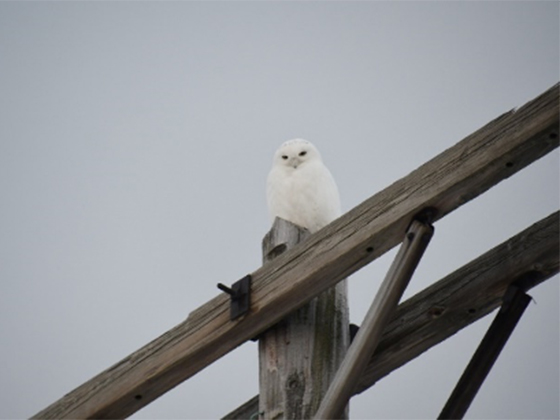
Alum Creek State Park in Delaware county is a good spot in the winter to look for ducks, gulls, and geese. This winter it has also hosted a Snowy Owl on the dam! There are many vantage points to Alum Creek Lake, as well as a dam and a beach. Take your scope and scour the water for birds if you’re in central Ohio.

Christopher Collins – At-Large Regional Director

Wendy Park, Whiskey Island – Cuyahoga County

Wendy Park, Whiskey Island is one of the best places in the state to look for gulls! The beach provides an excellent view of the channel between the shore and the break wall. The nearby Coast Guard Station allows you to get even further out into the fray. When the ships come through, it can cause quite the frenzy with the gulls. 

Take note – it’s COLD, but worth it. You may even have a chance for Purple Sandpiper along the break wall. Scope highly recommended.

Jon Cefus – East Central Regional Director

Killbuck Marsh Wildlife Area and Funk Bottoms Wildlife Area – Wayne County

In January, I’m birding in the marshlands of Wayne County to search for waterfowl, particularly dabblers. My target areas are certainly known to experienced Ohio birders, but if you are new, these areas are likely to become staples of your Ohio birding hotspots. The two primary areas to check are Killbuck Marsh Wildlife Area and Funk Bottoms Wildlife Area. When there is open water due to a lack of deep freeze, these areas often hold pockets of ducks, geese, and swans foraging. As conditions get colder and water freezes over, there are often a few pockets of open water, and in these spots ducks can really accumulate. In addition to ducks, geese, and swans, you can often find other species like Red-headed Woodpecker (always an eyeful!), Sandhill Cranes, Northern Harriers, Short-eared Owls, and in many winters, Northern Shrike. See the Birding In Ohio webpage for details on how to check these areas.

Tyler Ficker – Southwest Regional Director

Armleder Park ​ – Hamilton County

Armleder Park in Hamilton County is one of my favorite spots in Ohio. There is always something to see any time of year here. Some of my most fond memories from this park are watching Short-eared Owls and Northern Harriers hunt over the fields while searching for wintering sparrows. I always start my year off here!

Melissa Wales – Southeast Regional Director

Hockhocking Adena Bikeway-Armitage Rd. ​- Athens County

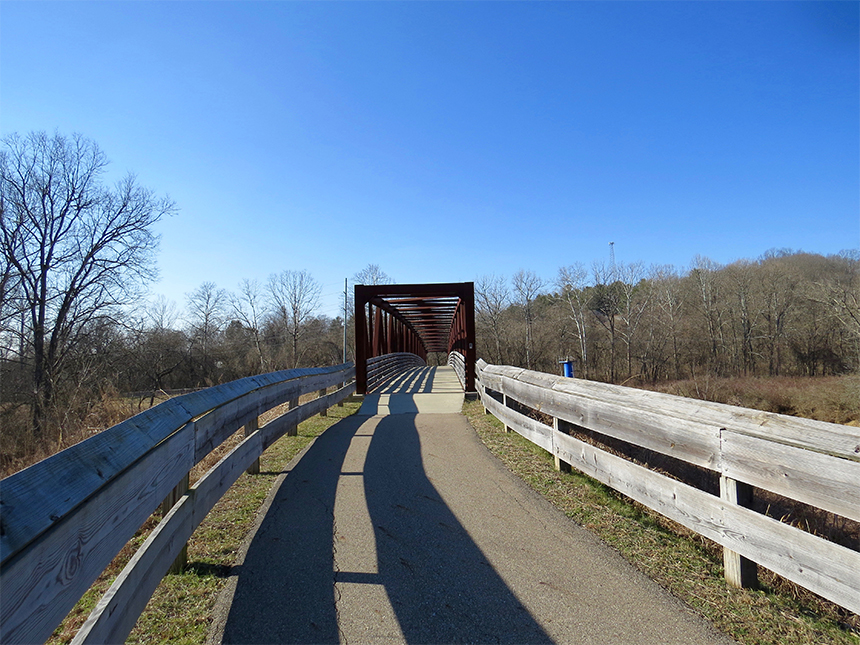
The Hockhocking Adena Bikepath is a true gem for cyclists, walkers, runners, and…birders! One of my favorite stretches is the relatively new spur from Armitage Road to Columbus Road. With a beautiful bridge spanning the Hocking River and paved throughout with moderate inclines, it should be accessible for most birders.

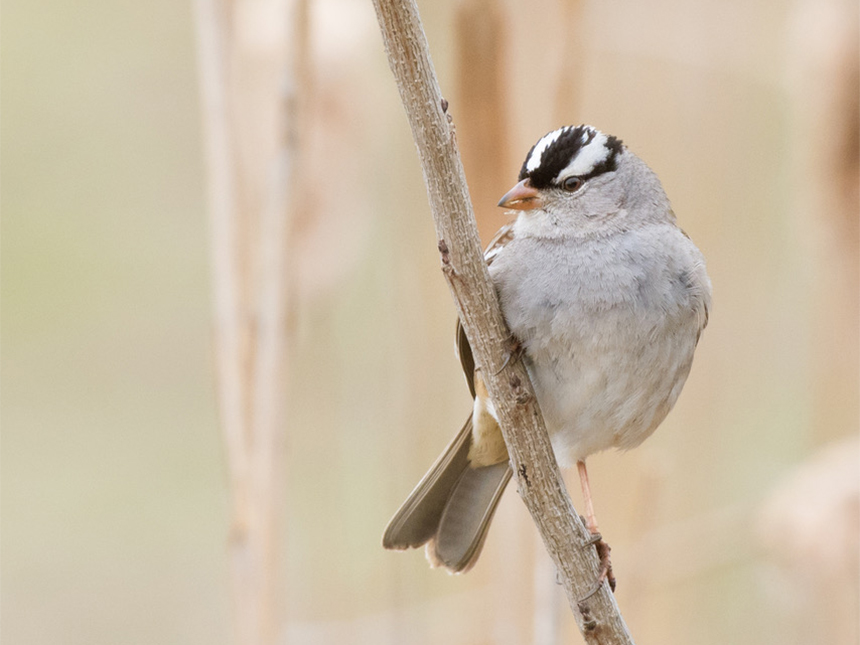
I drive to the end of Armitage Road and cross the bike path to park in a gravel area next to the railroad tracks to access the spur. There is also bike path parking on Columbus Road. About a half mile in length, the diverse habitats here include mowed and un-mowed fields, riparian, woodlots, wetlands, and the Hocking River. In winter, it is a good patch for sparrows, woodpeckers, waterfowl, and raptors. On this January day, White-throated Sparrows stole the show against a rare and much appreciated blue sky.

Where We Are Birding – November

Where We Are Birding – November

Each month, our OOS Regional Directors are sharing their favorite birding hotspots in their respective regions – and beyond. These include some well-know destinations, specialty spots for specific species, and their own secret, treasured local patches. Have a favorite birding location? Reach out to your OOS Regional Director and let them know!

Amy Downing – Northwest Regional Director

Maple Grove Cemetery – Hancock County

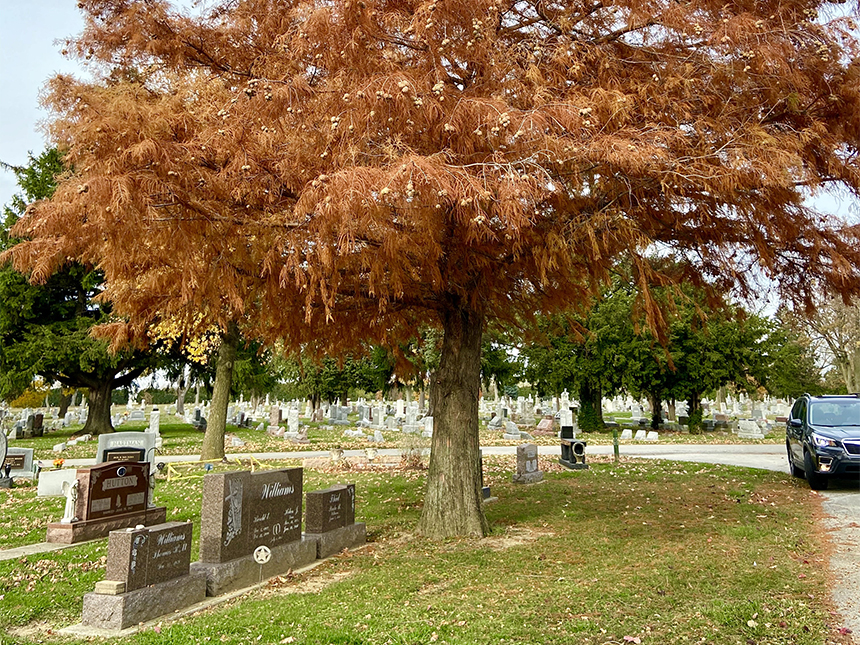
My birding focus until the weather turns nasty is hiking, but there are a few spots I hit on for specialties in Hancock County, and one is cemeteries like historic Maple Grove in Findlay. Because it is totally drivable and quiet with large old trees, it’s perfect in both good and bad weather.  I’ve had Oregon-type Juncos and wintering Merlin most years, and since it is full of Sweet Gum, Larch, and large Pines I have been hoping for special northern visitors like Evening Grosbeak, Common Redpoll, and Pine Siskin.  This is totally accessible birding, and most like most cemeteries welcome all respectful visitors including birds!

Kandace Glanville – Central Regional Director

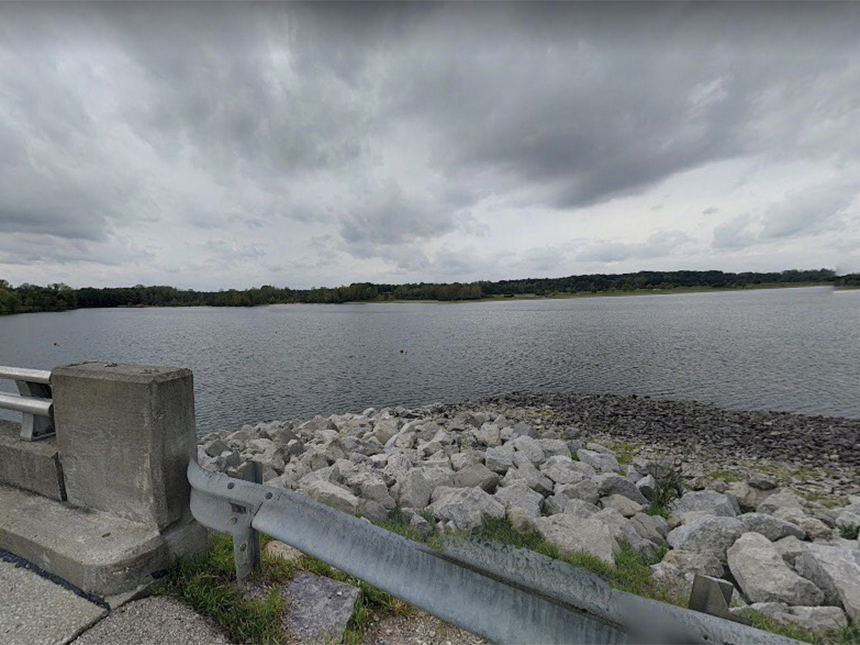
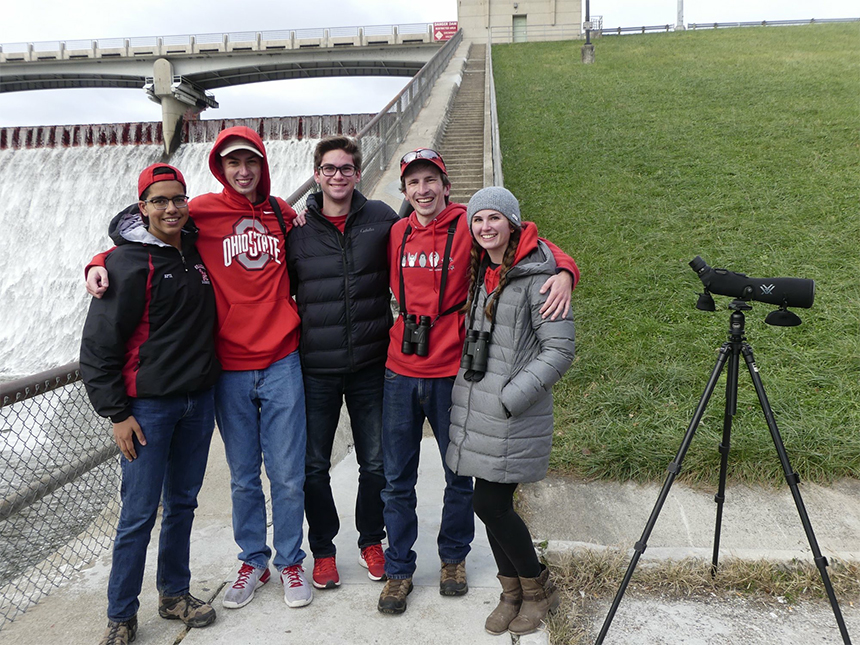
Hoover Reservoir – Delaware County

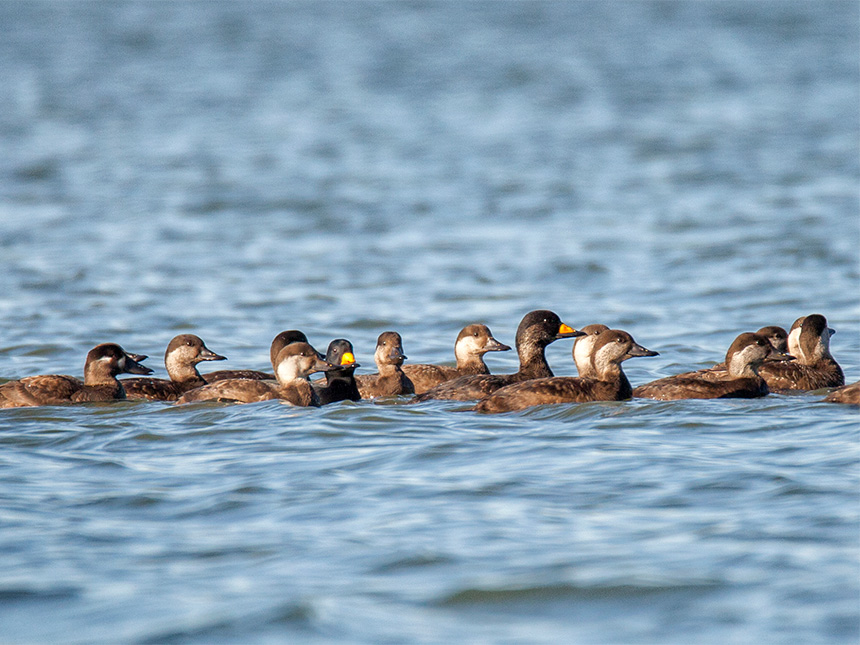
Hoover Reservoir and Hoover Dam Park in Franklin and Delaware counties are a great place to check in the fall and winter for ducks, gulls, and other water bird rarities. Having a scope is highly beneficial, as the reservoir is pretty large and there’s often rafts of ducks pretty far out. In November 2018, a rare Black-legged Kittiwake was found here by David O’Ryan Donahue. All 3 Scoter species, in addition to some other uncommon ducks as well as uncommon gulls are regularly found here.

The top walkway of the reservoir dam is flat, paved, and easy to navigate, though as far as I know, the top dam walkway is closed for construction until 2022. It’s also possible to see some of the reservoir from your car in the parking lot! There’s multiple parking lots along the reservoir, allowing for many viewpoints. From my experience as a young woman birding here, I’ve always felt very safe at this hotspot.

Diana Steele – Northeast Regional Director

Margaret Peak Nature Preserve – Lorain County

For November 2020, short-eared owls and Northern harriers have been the highlights. The owls appeared there for the first time ever on November 3, and birders have gathered at dusk every evening to watch the acrobatic show. A mown path leads from the parking lot to a packed gravel walkway through the field heading back to the ponds and a small woods. Several observation mounds and benches dot the property. During migration, many species of warblers and waterfowl visit the preserve, but the real highlights may be the breeding grassland species: grasshopper and vesper sparrows, dickcissels, and bobolinks. Vagrant rarities are always a possibility: Smith’s longspur, black-bellied whistling duck, and clay-colored sparrow have all dropped in, for a total of 202 species.

Jon Cefus – East Central Regional Director

Lake Cable (and others) – Stark County

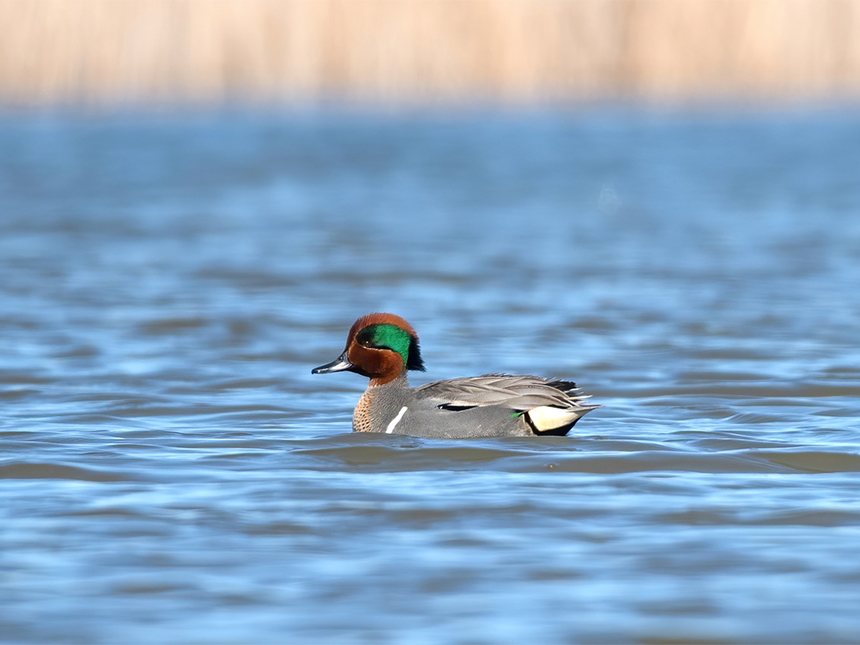
This month, I will be searching for waterfowl. In the east central area of Ohio, there are many lakes and reservoirs, and therefore many options to choose from. Stark County has several natural lakes including Lake Cable and Sippo Lake. Over the years, Lake Cable has produced a nice variety of diving ducks including all 3 species of Scoters, and Red-throated Loons. In Wayne County, finding diving ducks is more difficult, however areas like Killbuck Marsh and Funk Bottoms Wildlife Area offer fantastic habitat for dabblers, including rare species such as Cinnamon Teal in 2018. I’ll also be keeping my eyes and ears on the sky, as we are into peak migration of Tundra Swans. Learning their flight call can payoff as a flock approaches an area to land or passes over your head on their journey southward. Seneca Lake, which touches Guernsey and Noble Counties (a Southeast Regional County), has held some remarkable numbers of waterfowl historically, including massive flocks of Loons, at times numbering into the hundreds of individuals. 

Tyler Ficker – Southwest Regional Director

Highland Stone Quarry ​ – Highland County

Highland Stone Quarry in Highland County boasts some great waterfowl numbers this time of year. With as many ducks and geese that stay there, you never know what might be mixed in!

Melissa Wales – Southeast Regional Director

Lake Snowden – Athens County

Lake Snowden in Athens County remains a late fall SE Ohio hotspot, especially for migrating waterfowl including American Coot, Northern Shoveler, Common Loon, Ruddy Duck, and Grebes (Pied-billed and Horned). The bushes around the fish ponds have been very good for sparrows including White-crowned and Vesper, and also Wilson’s Snipe.

Strouds Run State Park has an accessible gravel trail named Blackhaw just off the last parking lot on the right before you turn into the main entrance off Strouds Run Road. It winds along the lake with some large pines that have been good for Red-breasted Nuthatch. There’s a nice little deck area from which you can look for herons and Belted Kingfisher.  Following the length of the trail about a half mile to where it ends at the next parking lot will give you a chance at  Brown Creepers, Kinglets, Yellow-rumped Warblers, and Hermit Thrush.

A One-Day Fall Birding Getaway to Fairport Harbor

A One-Day Fall Birding Getaway to Fairport Harbor

Begin the day at Painesville Township Park as close to first light as possible. If the weather is uncooperative, park just to the left of the stairs for a good view of Lake Erie from inside your vehicle. Depending on the day and the wind, you could see all sorts of waterfowl streaming by including some rare treats. Check flocks of mergansers for an eider among them, have your camera ready for a flight shot of a jaeger, and be on the lookout for Brant. Morning flights of passerines can also be observed at this lakeside location with flocks of Snow Buntings, Horned Larks, Evening Grosbeaks and other winter finches flying along the lakeshore. The lucky lake watcher might even see a Cave Swallow! As you drive through the park to leave, pay close attention to the geese in the baseball fields in case there are other species with them.

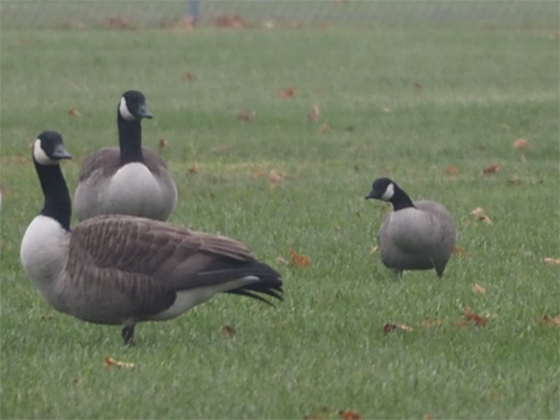
Tundra Swans, Canada Geese, and Cackling Goose (Sarah Preston) at Painesville Township Park

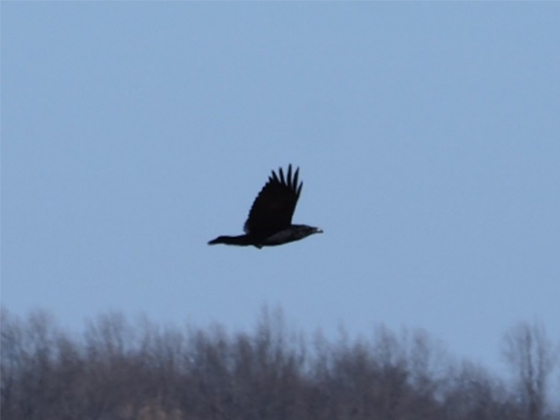
Drive into downtown Fairport Harbor via Fairport Nursery Road. There are several pull-offs along the roadway. Small flocks of Horned Lark, Snow Buntings, and Lapland Longspur congregate in the gravel on the side of the road. Flushed by cars, they’ll fly into the grass or perch on the green chain-link fence. Snowy Owls are known to perch on the telephone poles here but also appear on the grassy hillsides. A pair of Common Ravens recently made Lake County their home and the unkindness, now totaling five, often flies around above this grassland area.

Snowy Owl (Caitlin Ambrose) and Common Raven (Sarah Preston) along Fairport Nursery Road

Warm up with a coffee and a bite of breakfast. Saturday brunch at Fairport Harbor Creamery starts at 9am offering made-from-scratch pastries like cinnamon rolls and maple sausage and cheddar brioches at the walk-up window or you can order ahead online. If it’s Sunday, go to Glazed Fairport as early as 8am for whimsically named donuts or a breakfast sammy served on a donut or biscuit.

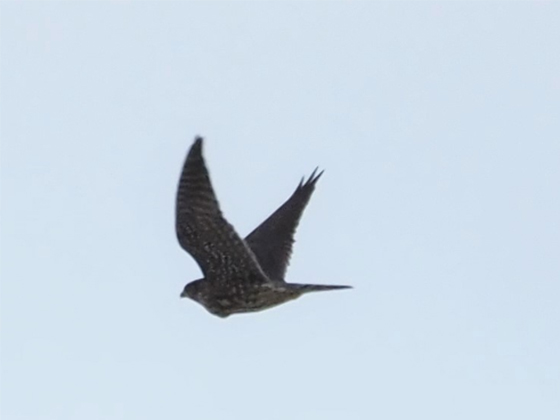
Head toward Lake Erie on East Street to Sunset Harbor, scanning the small marina for grebes as you drive by. Park between the large blue HTP building and the harbor, another location where you can bird from within a vehicle. Inspect the Bonaparte’s Gulls for the sought-after Sabine’s, Little, and Black-headed Gulls. The small cove to the east is known to locals as Mew Gull Cove because one was found there in 1998. Survey the open area to the east for Merlin, Peregrine Falcon, and Rough-legged Hawks.

Merlin and Red-throated Loon (Sarah Preston) fly by Sunset Harbor

Go back up the hill for lunch at the Fairport Family Restaurant serving homemade soups and sandwiches such as clam chowder and beer battered fish sandwich plus a variety of specials. If it’s warm, there’s dining available on the front porch.

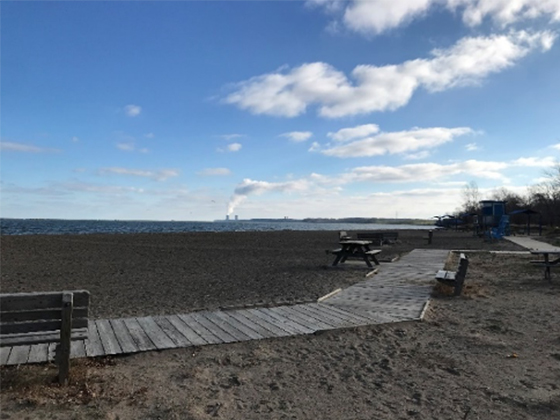
Take High Street down the hill to Fairport Harbor Lakefront Park. In the off-season, there is no fee to park in the main parking lot for the beach. Drive to the far eastern end to scope for ducks and grebes in the harbor.

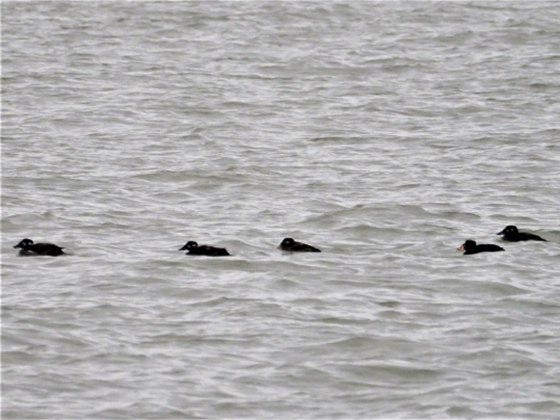
Surf Scoters and Glaucous Gull (Sarah Preston) in Fairport Harbor

Drive back to west end of the parking lot where you will find a picnic shelter that is the perfect place from which to scope if it’s raining or snowing. The main restrooms are closed except during summer, but a porta-potty is available in the parking lot. Check the beach for shorebirds and Snow Buntings.

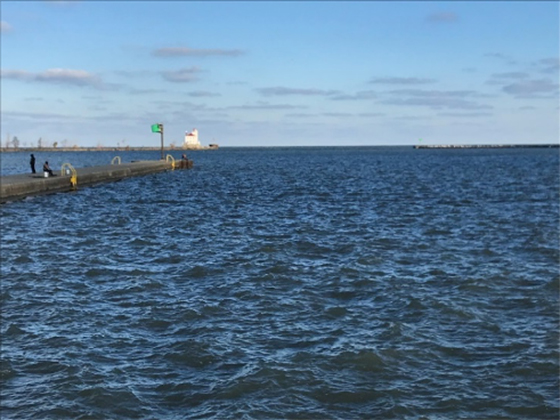
Beach and Boardwalk  /  Fishing Pier and Lighthouse

Drive back uphill toward town and take the first two rights to return to the harbor, arriving at the Fairport Harbor Pier and Boat Ramp. If the stop sign is out, park along the left side of road before it so you don’t have to pay to park in the boat ramp parking lot. The rocky shore along the walkway to the pier is where Purple Sandpiper have been found. Iceland and Glaucous Gulls hide among the myriad Ring-Billed and Herring Gulls. Scope the break walls for Snowy Owls, looking for an open spot with no gulls. Don’t leave without looking up-river for Long-tailed or Harlequin Ducks. Snow Buntings, Lapland Longspurs, and Horned Larks can be camouflaged in the flat, gravel area behind the large block wall.

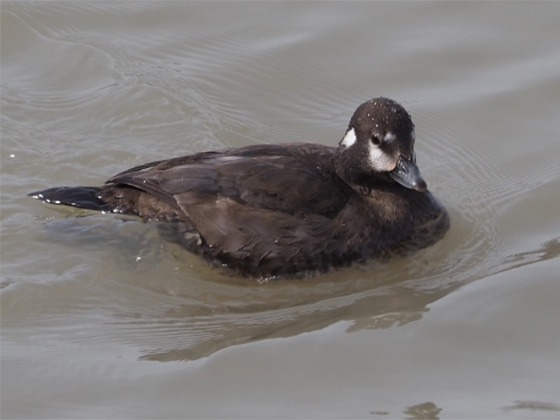
Purple Sandpiper (Gustino Lanese) and Harlequin Duck (Sarah Preston) near the Fairport Harbor Pier

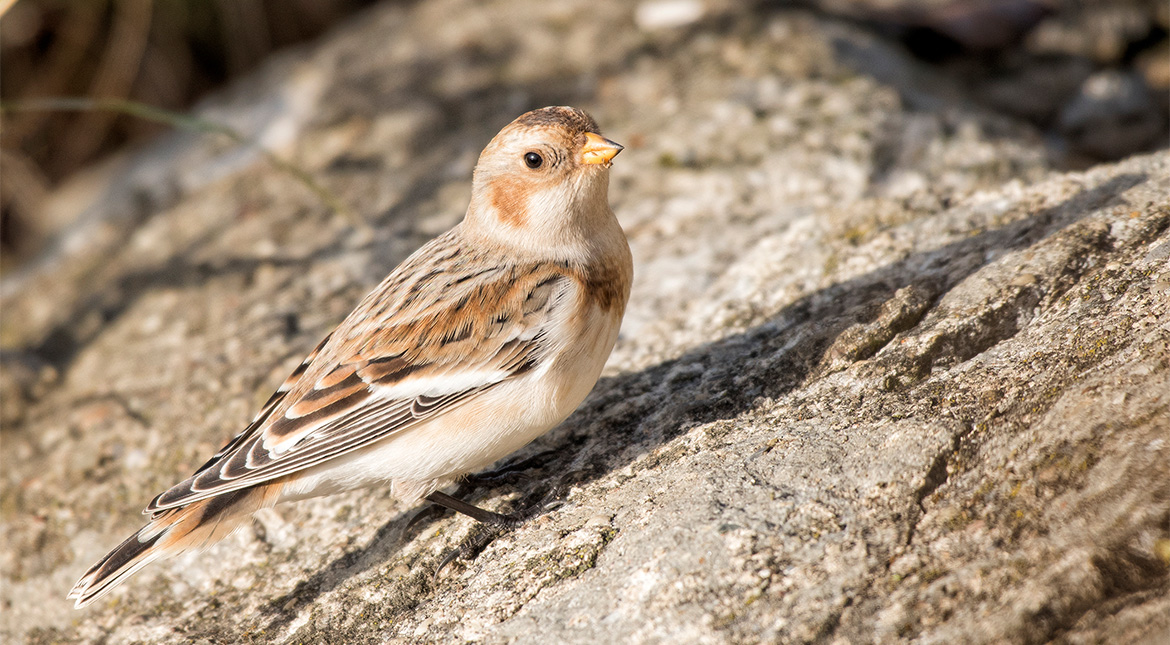
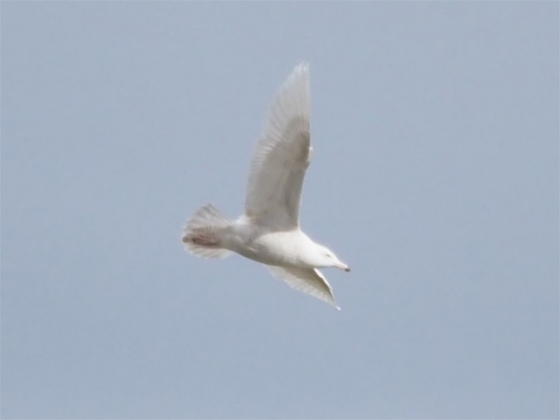
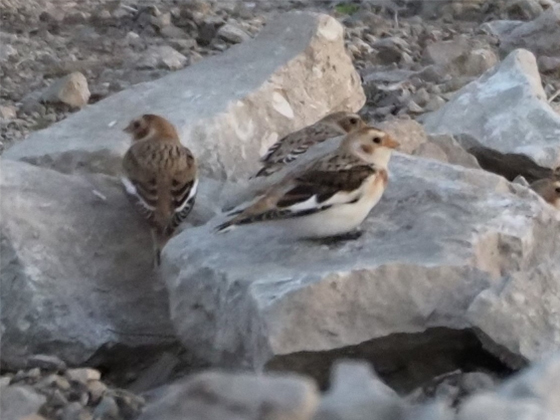
Iceland Gull (Jim Smallwood) and Snow Buntings (Sarah Preston) at Fairport Harbor Pier

Before dusk drive back over to Fairport Nursery Road. Birders have permission to bird from the deck of the trailer on the south side of the road during non-business hours as long as they don’t enter the actual property. Search both the north and south sides of 535 for hunting Short-eared Owls that begin to appear just before sunset. It is not unusual to see multiple owls at once.

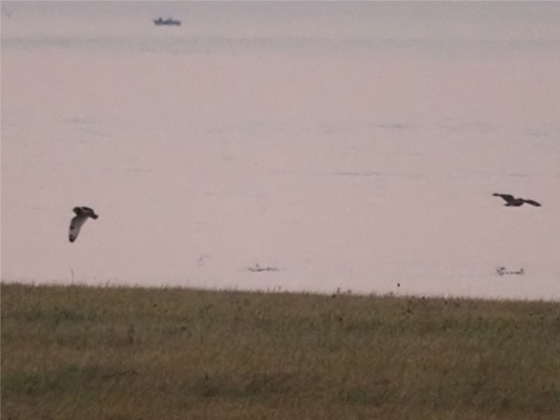
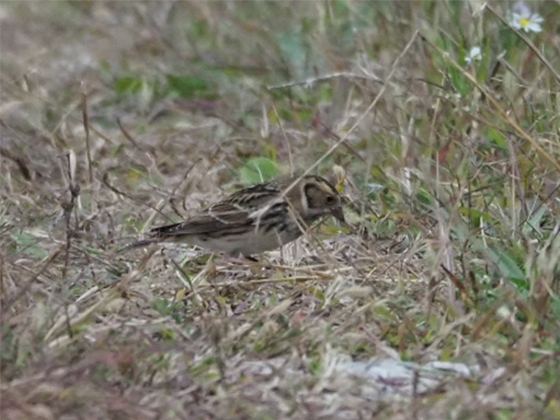
Short-eared Owls and Lapland Longspur (Sarah Preston) Fairport Nursery Road

Celebrate the day by splurging on dinner at The Pompadour, a local gem known for its bar and tapas. The space is cozy, so reservations are highly recommended for dine-in. They also accept a limited number of nightly call-in carry-out orders. Commemorate the lifers of the day with a specialty cocktail such as The Big Bad Apple or sip on a pour from their sizable selection of bourbon and other whiskeys. If you enjoy more than just seeing waterfowl, order the Duck Pastrami Sliders or if vegetarian is more your style, try the Chanterelle Mushroom Pappardelle.